The buyer has received a cryptocurrency credit and wants to transfer it to a personal wallet.
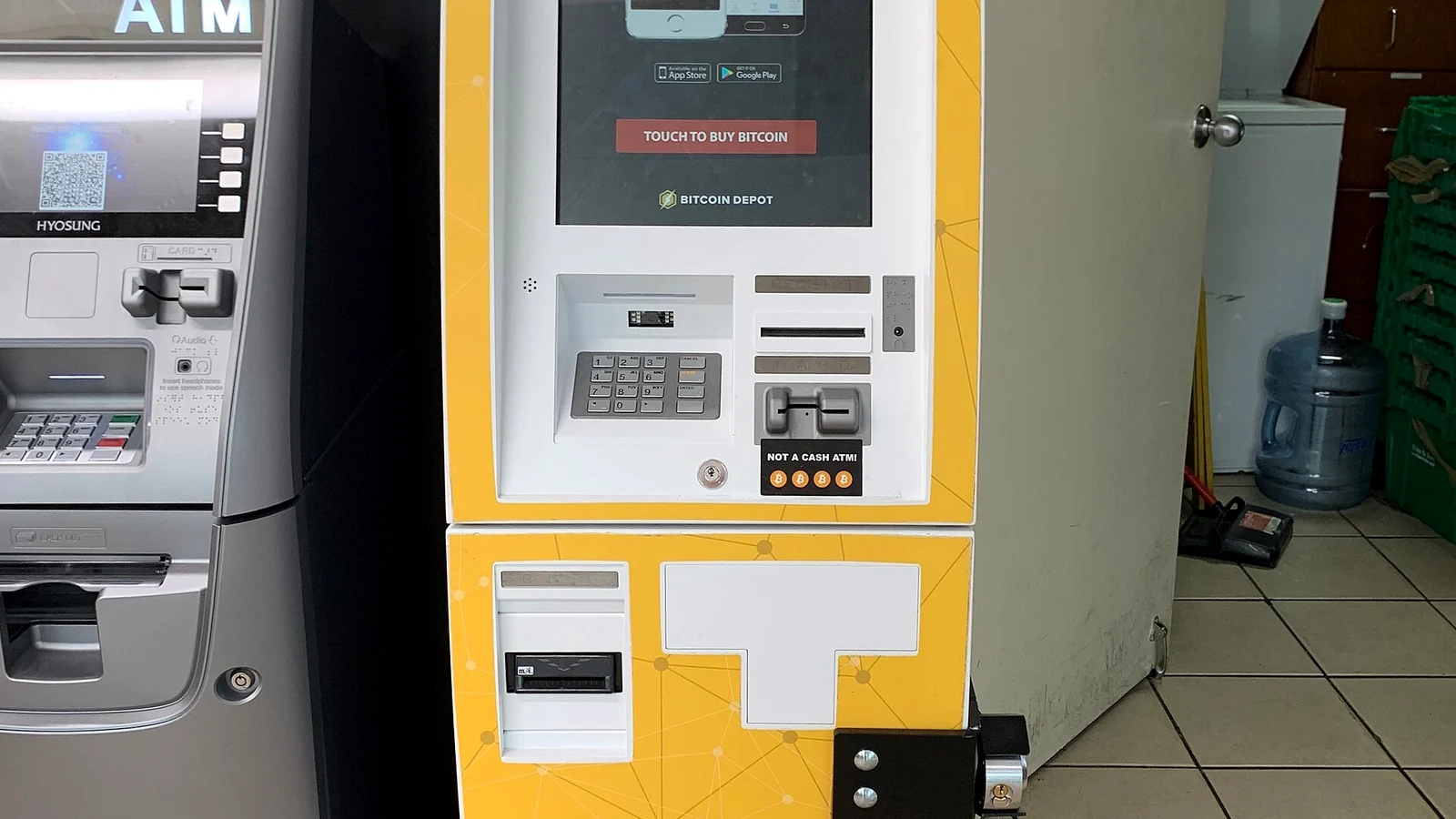
A cryptocurrency cash machine shows one physical interface for digital-asset withdrawals and deposits.
Where crypto networks enters the decision
A correct-looking address is not sufficient if the chosen network or token representation is incompatible.
What the systems record about wallet deposit
Different chains can host assets with similar tickers while using different transaction formats and custodial routes. A destination may support one network but not another. Neither escrow completion nor a successful login validates the address and chain for withdrawal. For a general comparison of P2P settlement routes and custody responsibilities, see https://shiftalcoin.com/. It is an educational reference, not a service that can recover a wrong-chain transfer.
Walking through a case of crypto networks
A wallet destination accepts a token symbol that appears to match the sender's asset. However, the receiving service specifies a different chain. A test cannot fix the underlying incompatibility. The safe next step is to validate the exact token, network and address from the recipient's genuine deposit interface.
The address must support the exact chain and token
A wallet address can be correctly formatted and still unsuitable for the asset or network selected by the sender. Tokens with similar ticker labels may exist on different chains, while exchange deposit services may support only a subset of those networks. Checking the last characters of the address is insufficient because the issue may be chain compatibility rather than typographical error. The person initiating the transfer must obtain the destination's supported asset, network, memo and deposit instructions from a genuine source. A completed P2P escrow transaction does not independently validate the next withdrawal route.
Before moving the acquired asset, compare the origin's withdrawal options with the destination's published deposit requirements. Check whether a memo or tag is needed and whether the recipient has minimum deposit rules. Keep the source and destination identifiers with the transaction record. If support later says the transfer used the wrong network, do not immediately send more crypto to a supposed recovery address. Identify first whether the recipient controls the destination and whether its official support process recognizes the asset.
A controlled verification sequence
Inspect the exact asset, chain label and destination support before sending. If the destination publishes deposit instructions, obtain them directly and check the minimum and memo requirements. A narrowly scoped test may confirm routing, but should not replace formal compatibility checks. After a transfer error, be alert to recovery impersonation attempts described in false support requests for crypto recovery secrets.
- Read the receiver's supported network list from an authenticated source.
- Match both the asset ticker and chain before entering a withdrawal address.
- Verify memo requirements and avoid private recovery-wallet instructions.
What can go wrong with crypto networks
A wrong-network transfer may be difficult or impossible for the recipient to recover. A fake support person can also exploit the uncertainty by offering a recovery wallet requiring another transfer or private keys.
The final check on crypto networks
Treat network compatibility as a separate post-trade verification stage. Protect recovery credentials and stop if the receiving platform cannot confirm the asset-and-chain combination.
#CryptoNetworks #WalletDeposit #Settlement